Our philosophy is based on three pillars that comprehensively address our active learning approach to education that stimulate and enhance all aspects of each child: cognitive, emotional(self-esteem), physical(gross and fine motor skills), social(interaction and behavior) and creative (self-expression. The “Whole Child” approach, strong values and parent communication solidify our beliefs.
Whole Child: Our facility and staff ar committed to educational goals of excellence for every child. We viewthe learner as a “whole child” and continually strive to meet each child’s individual development needs in the terms of academics, physical, and social education.
Strong Values: Our facility and staff make it a priority to communicate effectifvely in order to gain the cooperation and support from the students. Teachers maintain awareness of the net effect on the student, thus inspiring trust, confidence and faith in students to reach their vision, goal or direction. We believe it is our rsponsibility as educators to inspire students to develop, react, and live the behaviors and values deemed important to become psositive contributors of our society.
Parent Communication: Our faculty and staff make it a priority to continue to build positive connections with the parents/ guardians and school community to facilitate success for all students. Oceanside Learning Academy’s parents and teachers work hand in hand to prepar our students to be lifelpong learners, and to apply their knowledge and skills in meeting life’s challenges.
Primary Goals of the Center
To promote self-esteem through positive interactions between children and teachers, with developmentally appropriate learning experiences and activities through attention to children's needs and interests but most of all through attitude, respect, and acceptance.
To help children develop coping strategies, such as those involved in positive conflict resolution-expressing feelings and concerns, negotiating, and compromising.
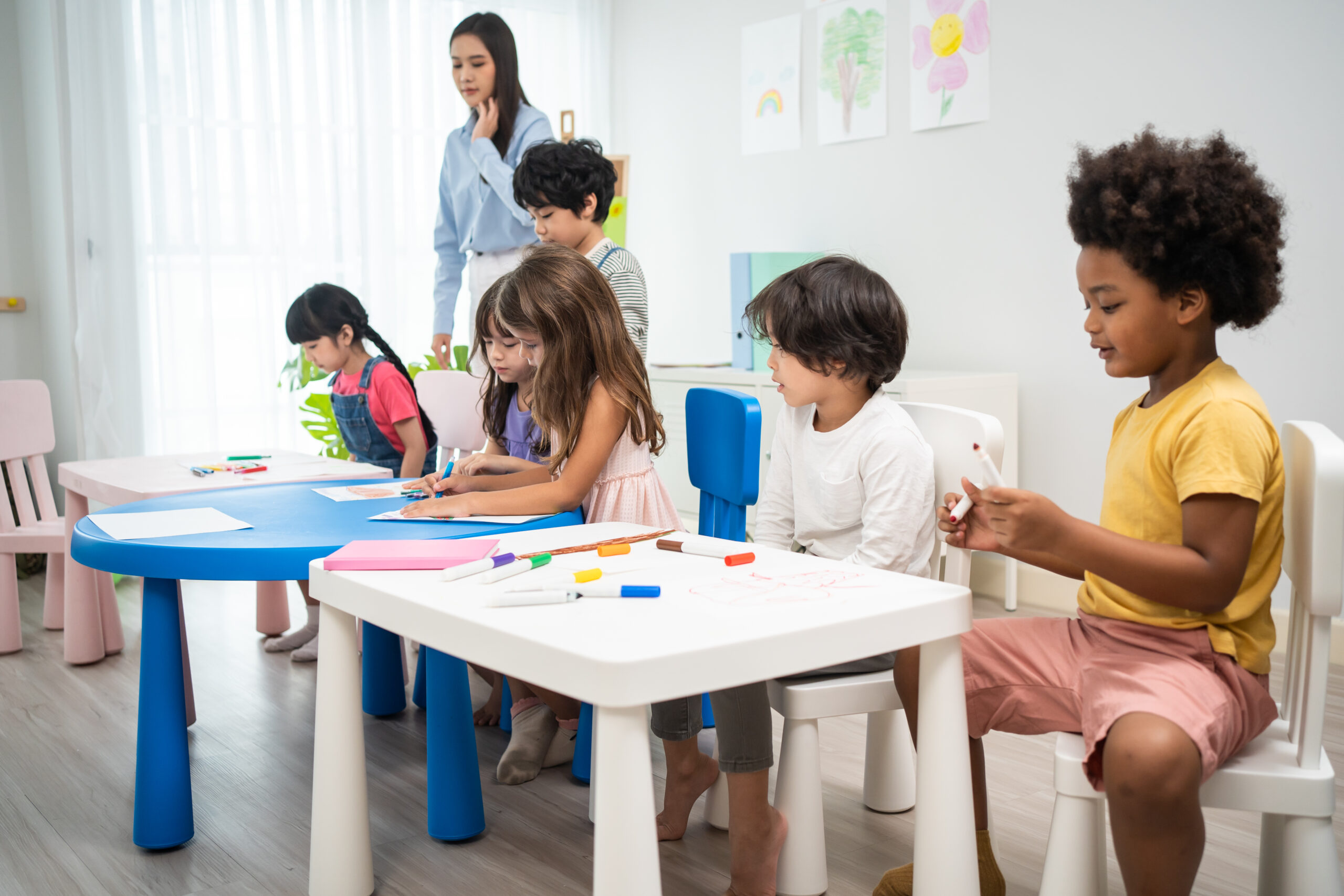
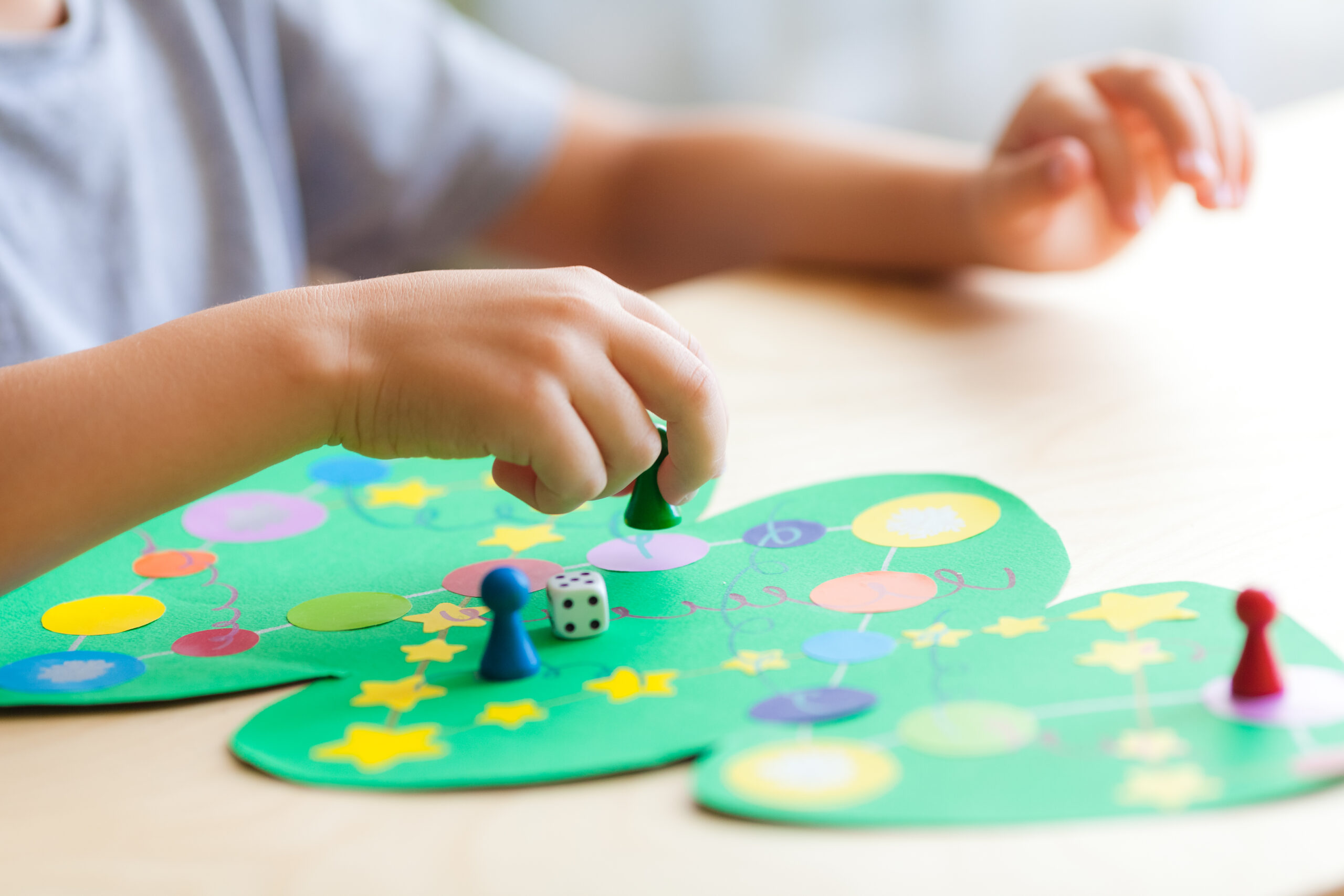
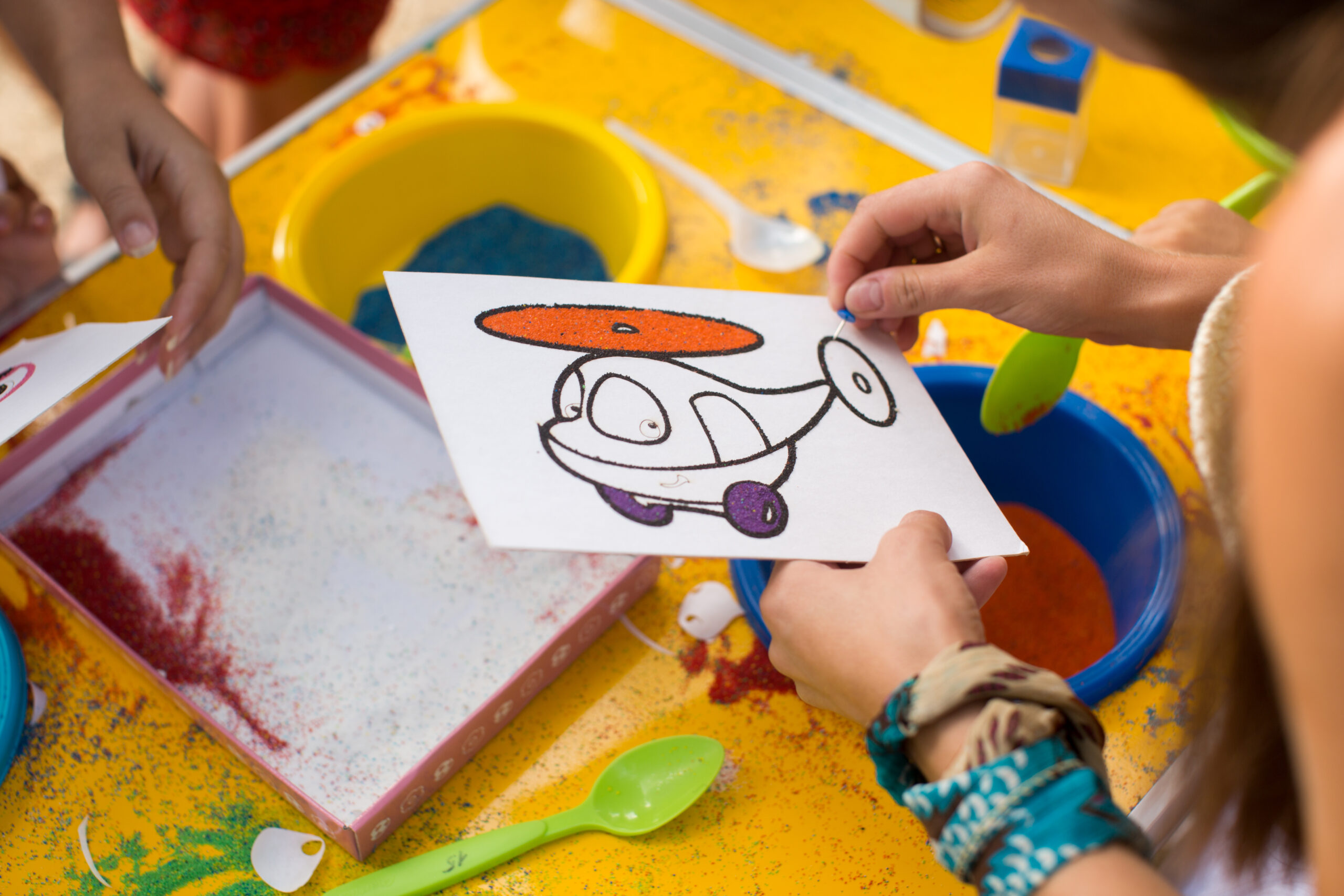
To provide developmentally appropriate opportunities for each child to be able to express their own ideas through different "learning centers", such as painting, dramatic play, math, writingm water play, music, and science.
To create an environment in which each parent and child feels welcomed., valued, and where all ideas are welcomed, accepted, and appreciated.
Our Mission
At Oceanside Learning Academy, we believe in the value an uniqueness of each child we serve. Our childcare experience is designed to promote each child’s own individual social, emotional, physical, and cognitive development.
As caregivers and educators, our mission is to provide a safe developmentally appropriate learning environment, which fosters a child’s natural desire to explore, discover, create and become a lifelong learner.
Our principles and goals
Support interactions between teachers and children
How teachers relate and interact with the children in their care matters more than the curriculum being taught. They provide essential development for self-esteem, social competence and intellectual growth.
Create safe and engaging learning environments
If a child does not feel safe in their environment both physically and emotionally, nothing else will matter. The health, safety, nutritional, and basic needs of the children must be met first to promote all phases of development. Children work best through play and our classrooms reflect that in the environment and curriculum.
Focus on the whole child
Our teachers use standards and curriculum that touch on all areas of children’s development. We set up our classrooms to make sure that each area has a part in the everyday routine. These include, language development, literacy, math, science, creative arts, approaches toward learning, physical health and development, and social emotional development.
Create a culture of continuous learning, school assessments, and data collections
All children learn and develop at different rates and in different styles. No one single assessment style will be able to help you understand where each individual child stands in their progress. We collect data and assess all areas of development and are sure to provide learning activities and explorations that touch on all area of development and are differentiated for the variety of children in the classroom. Assessments are done in informal and formal ways so the teacher is able to change and adapt lessons for each child so that each child can learn at their own pace and level while being included in the daily classroom life.
Connect to families and our community
Having a strong connection to the families of our school help to stimulate the children’s development. When the families and school work together we are able to make sure that the child is getting all they need from every person in their life. We use parent participation, ideas, languages, and cultures from children’s homes into the classrooms. We are connected with the community and strive to learn more about it, bring community into the school in various and safe ways, and find ways to help our community.
Provide effective administration
Efficient and effective administration focuses on the needs of the children, families, and staff. They are calm problem solvers who are ready to take on any challenges and make sure that the school remains a safe, healthy, happy place for all who enter the environment.